Scalable Link Building Systems for Global Growth
Search engines are the entrances to the wild and terrific world of sites. In between mega-giants that have turned their trademark name into a verb, to the little guys concentrated on uncommon languages, online search engine been available in all sizes and functions. If you're here, you're probably curious about what other options there are, or perhaps you're looking to make a brand-new engine your go-to guy.
There are three procedures an online search engine does to offer you results that finest match your query: Crawling is a process throughout which the online search engine tries to find new websites (and their content) on the web by means of hyperlinks. Here's a simplified breakdown of how it works: The process begins with a list of preliminary URLs (seeds) to go to.
It recognizes all hyperlinks on these pages. The spider includes brand-new links to its list of URLs to visit. It shops and indexes the fetched content for search engines to evaluate and retrieve. This procedure continues iteratively, permitting search engines to develop detailed indexes of web material. Indexing is a process of verifying and keeping the content from the websites in the online search engine's database, called the "Index".
GSA Search Engine Ranker submissionsBoth crawling and indexing are constant procedures that take place over and over again to keep the database fresh and relevant. As soon as the webpage is evaluated and saved in the index, it can be pulled up as a search result for a prospective search query. The last step includes choosing the best outcomes and developing a list of pages that will appear on the search engine result page (SERP).
Traditional Versus Programmatic Backlink Methods
Every online search engine uses dozens of SEO ranking aspects, a lot of which are concealed from the public to prevent manipulation and to keep exclusive stability. As Martin Splitt, Webmaster Trends Analyst, specified: "We have more than 200 signals to do so. We look at things like the title, the meta description, the actual content that you have actually got on your page, images, links, all sorts of things." With the essentials down, it's time to go deeper into how ranking and search algorithms work, due to the fact that it's a lot more complex than searching through a library.
The Google algorithm uses dozens of factors (many of them are well-known, while some of them are kept a secret) in numerous areas such as: First is comprehending what the user suggests by using the exact words they used, what the search intent is, and more. The algorithm figures out how closely this page answers what was browsed.
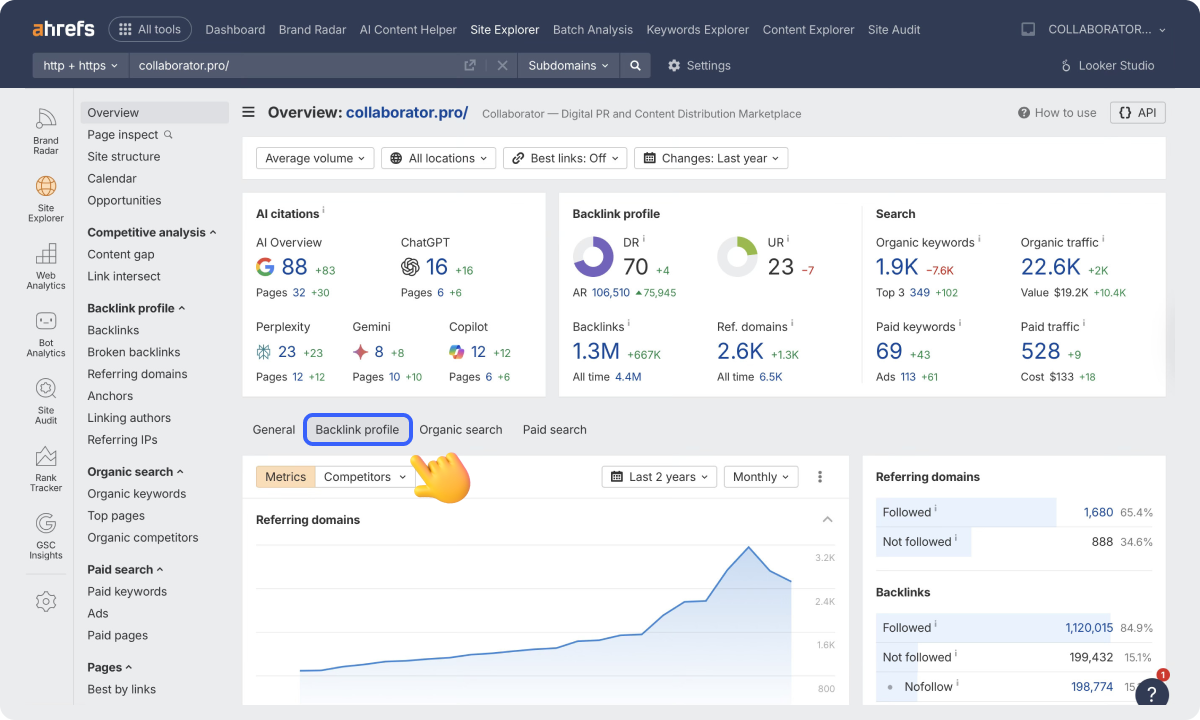
Then is the quality of the information itself. The algorithms decide if webpages are an outstanding source of information based upon internal and external elements. The number and quality of backlinks are essential aspects here. This aspect considers the quality of a website from a technical standpoint in things like responsiveness, page speed, security, etc.
GSA Search Engine Ranker submissionsManual Versus Automated Backlink Methods
Enhancing your site for relevant search questions and enhancing the search presence of your brand name within Google Search is an important part of any online marketing strategy, as it can drive more traffic to your websites. The amount of all the practices and techniques the website owners do to enhance their search rankings is called Search Engine Optimization (SEO).
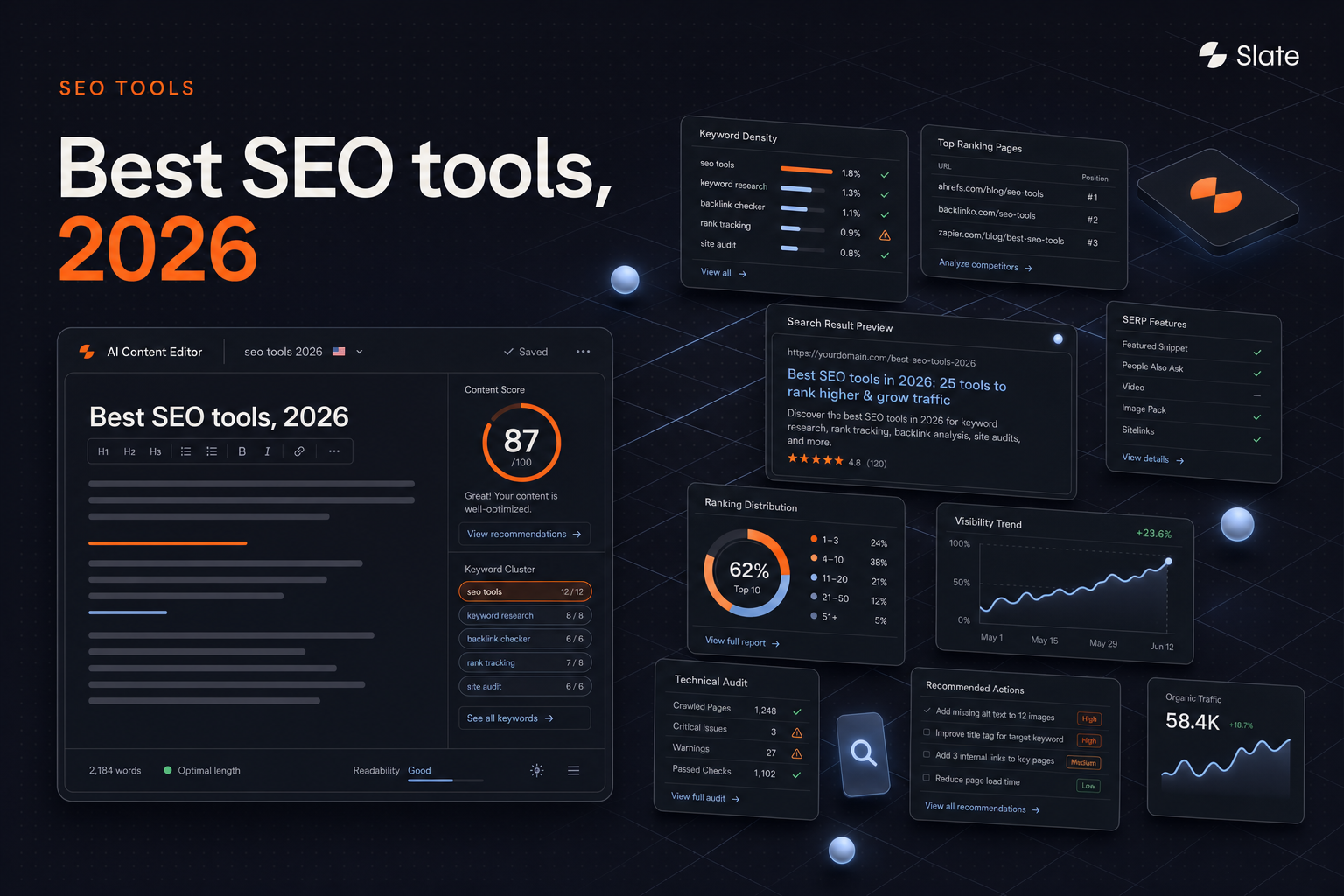
For keyword research, link-building and rank tracking for traditional and AI search engines, you can use and begin with your SEO activities right away. The main concepts of SEO are beautiful straightforward: Perform a keyword research study within your industry (to find what search queries/keywords users really enter into the online search engine) Develop a high-quality material on your website to please the search intent behind the queries and enhance your pages for those keywords.
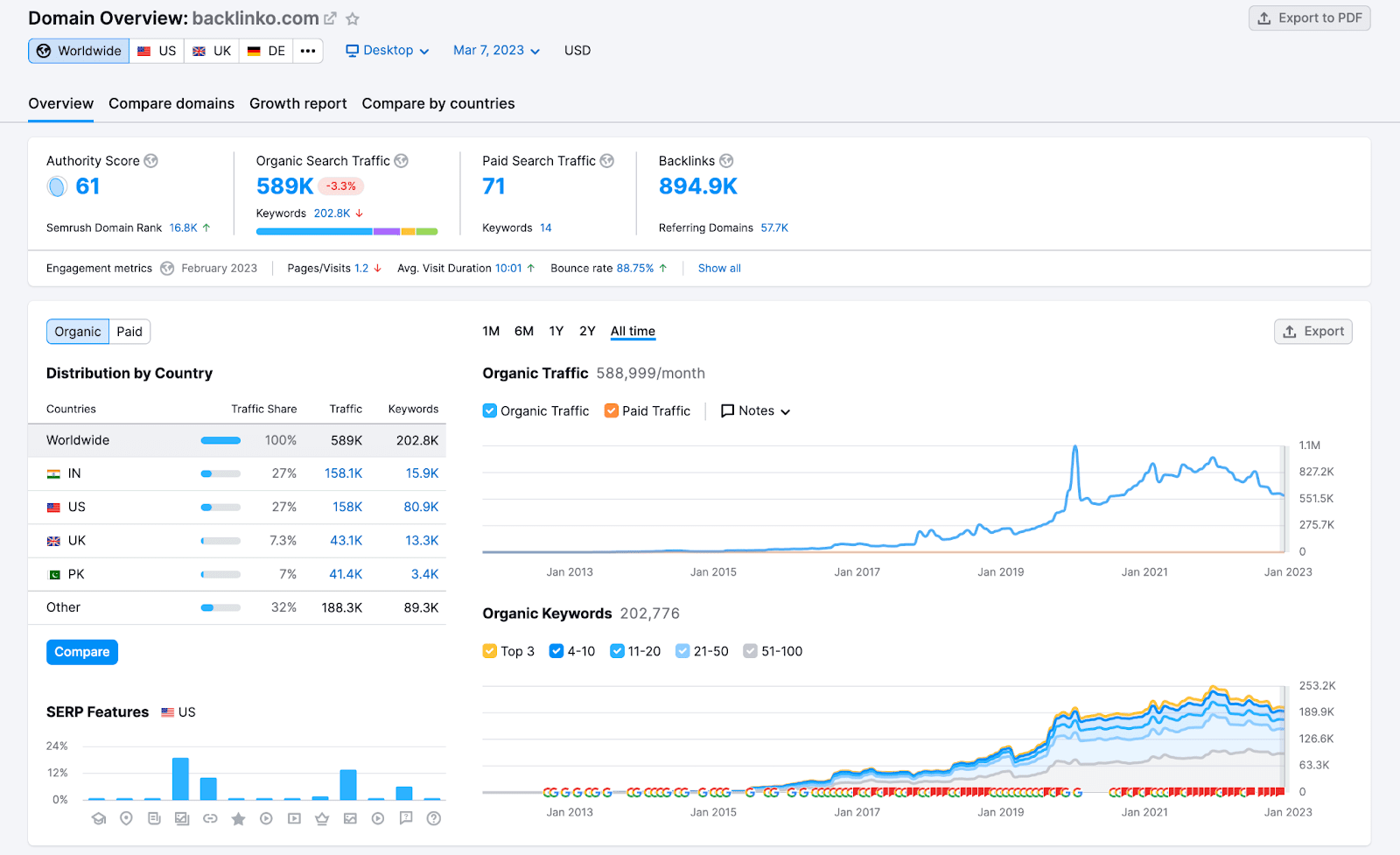
Track and measure the efficiency of your ranking pages in the search engine (and change the SEO strategy if essential. To find keywords for which you can optimize your site (and start getting organic traffic from online search engine such as Google or Bing), you can use Mangools KWFinder a simple yet extremely efficient keyword research study tool which will help you identify keywords or even long-tail search inquiries and concerns that people ask Google daily.
Conventional search engines, Mangools also uses a distinct LLM rank tracker which assists you monitor your brand name and site existence in popular AI search engines such as ChatGPT, Gemini, Claude, Grok, and others. The tool is very easy to use: just develop your rank-tracking job, add a list of prompts that users might type into AI search engines (or choose from the recommended ones), and you're all set! AI Browse Watcher will then track and evaluate your presence throughout AI search engines and compare your brand name's efficiency with that of your competitors.